Delve into the world of fleet maintenance with a focus on the top mistakes and their solutions. This article provides valuable insights and practical tips to enhance fleet efficiency and performance.
Explore the nuances of preventive maintenance, record-keeping practices, adherence to manufacturer guidelines, and training strategies for maintenance staff.
Common Fleet Maintenance Mistakes
When it comes to fleet maintenance, there are several common mistakes that fleet managers often make, which can have a significant impact on the overall efficiency and effectiveness of the fleet operations. It is essential to identify these mistakes and take proactive measures to avoid them in order to ensure smooth and seamless fleet management.
1. Neglecting Regular Inspections and Maintenance
One of the most common mistakes in fleet maintenance is neglecting regular inspections and maintenance schedules. Failure to conduct routine checks on vehicles can lead to undetected issues that may escalate into costly repairs or breakdowns, ultimately affecting the fleet's productivity and causing avoidable downtime.
2. Using Incorrect or Low-Quality Parts
Another mistake often seen in fleet maintenance is using incorrect or low-quality parts during repairs and replacements. Substandard parts can compromise the performance and longevity of the vehicles, leading to frequent breakdowns and increased maintenance costs. It is crucial to use genuine, high-quality parts to ensure the reliability and safety of the fleet.
3. Ignoring Driver Feedback and Input
Ignoring driver feedback and input regarding vehicle issues is a common mistake that can impact fleet operations. Drivers are on the front lines and often notice early signs of mechanical problems or maintenance needs. Failing to address their feedback promptly can result in worsening conditions, affecting the overall performance of the fleet.
4. Inadequate Training for Maintenance Staff
Providing inadequate training for maintenance staff is another prevalent mistake in fleet management. Proper training is essential to ensure that maintenance personnel are equipped to handle repairs and maintenance tasks efficiently. Lack of training can lead to errors, delays, and subpar work, ultimately impacting the fleet's reliability and safety.
Lack of Preventive Maintenance
Preventive maintenance is a proactive approach to fleet management that involves scheduling regular inspections, servicing, and repairs to prevent breakdowns and costly repairs in the future. By conducting preventive maintenance, fleet managers can identify potential issues early on and address them before they escalate, ensuring the reliability and longevity of the fleet vehicles.
Examples of Preventive Maintenance Tasks
- Regular oil changes to ensure proper lubrication of engine components
- Tire rotations and inspections to prevent uneven wear and potential blowouts
- Brake system inspections and replacements to maintain optimal stopping power
- Fluid checks and top-ups to prevent overheating and component damage
- Battery tests and replacements to avoid unexpected breakdowns
Consequences of Neglecting Preventive Maintenance
Neglecting preventive maintenance can lead to a range of consequences, including:
- Increased risk of breakdowns and unplanned downtime
- Higher repair costs due to neglected issues worsening over time
- Reduced fuel efficiency and performance due to inefficient components
- Safety hazards for drivers and other road users
How to Rectify Neglecting Preventive Maintenance
To rectify the neglect of preventive maintenance, fleet managers can take the following steps:
- Implement a structured preventive maintenance schedule with regular service intervals
- Utilize fleet management software to track maintenance tasks and schedule reminders
- Educate drivers on the importance of reporting any potential issues or concerns promptly
- Invest in training for maintenance staff to ensure proper inspections and repairs are conducted
Inadequate Record-Keeping Practices
Inadequate record-keeping practices in fleet maintenance can lead to inefficiencies, increased costs, and potential safety risks. Properly maintaining detailed records is crucial for the effective management of a fleet.
Importance of Maintaining Detailed Records
Maintaining detailed records of all maintenance activities, repairs, inspections, and parts replacements is essential for tracking the overall health of a fleet. These records provide valuable insights into the performance of each vehicle, allowing fleet managers to identify trends, predict maintenance needs, and make informed decisions.
- Record-keeping helps in tracking maintenance schedules and ensuring timely servicing of vehicles.
- Accurate records can aid in warranty claims and disputes with service providers.
- Having detailed maintenance records can improve resale value by demonstrating proper care and maintenance history.
Best Practices for Record-Keeping in Fleet Management
Implementing best practices for record-keeping can streamline maintenance operations and ensure compliance with regulations. Some key practices include:
- Use digital fleet management software to centralize and automate record-keeping processes.
- Standardize data entry formats to ensure consistency and accuracy across all records.
- Regularly audit and review maintenance records to identify gaps or inconsistencies.
- Train staff on the importance of thorough record-keeping and provide guidelines for documentation.
Implementing a Robust Record-Keeping System
By implementing a robust record-keeping system, fleet managers can avoid costly mistakes and improve the overall efficiency of maintenance operations. A well-maintained record-keeping system can:
"Facilitate proactive maintenance planning based on historical data and trends."
| Reduce downtime by scheduling maintenance tasks more efficiently. | Ensure compliance with regulatory requirements by maintaining accurate maintenance records. |
| Enhance decision-making by providing real-time insights into the fleet's performance. | Improve cost management through better tracking of maintenance expenses. |
Ignoring Manufacturer Guidelines
Ignoring manufacturer guidelines for fleet maintenance can have serious consequences. These guidelines are put in place by experts who understand the specific needs of the vehicles and equipment. By not following these recommendations, fleet managers risk compromising the safety, efficiency, and longevity of their vehicles.
Significance of Following Manufacturer Guidelines
- Manufacturer guidelines ensure that maintenance tasks are performed at the right intervals, using the correct parts and procedures.
- Following these guidelines can help prevent breakdowns, reduce repair costs, and extend the lifespan of fleet vehicles.
- Ignoring manufacturer recommendations may void warranties and lead to safety hazards for drivers and other road users.
Examples of Problems Caused by Ignoring Guidelines
- Using the wrong type of oil or coolant can lead to engine damage or overheating.
- Ignoring tire pressure recommendations can result in poor fuel efficiency and uneven tire wear.
- Neglecting to replace filters as recommended can cause engine performance issues.
Ensuring Compliance with Manufacturer Recommendations
- Train fleet maintenance staff on the importance of following manufacturer guidelines.
- Use digital maintenance software to schedule and track maintenance tasks based on manufacturer recommendations.
- Regularly review and update maintenance procedures to align with the latest manufacturer guidelines.
Not Training Maintenance Staff Adequately
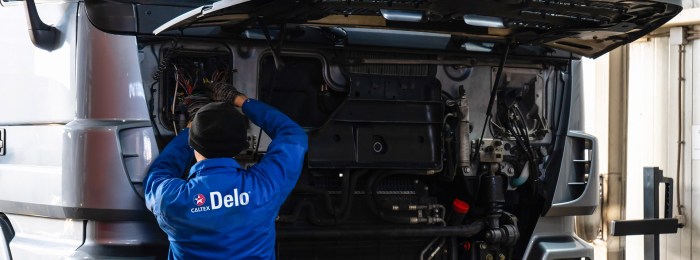
Training maintenance staff in proper fleet maintenance practices is crucial for the overall efficiency and effectiveness of fleet management. Without adequate training, maintenance staff may commit costly errors that can lead to vehicle breakdowns, safety hazards, and increased operational expenses.
Importance of Training Maintenance Staff
Proper training ensures that maintenance staff understand the specific maintenance requirements of each vehicle in the fleet. It also helps them develop the necessary skills to identify potential issues early on and perform preventive maintenance tasks effectively. Inadequate training can result in improper servicing, misdiagnosis of problems, and even safety hazards for drivers and passengers.
- Regular training sessions on new technologies and maintenance procedures are essential to keep maintenance staff up-to-date.
- Providing hands-on training opportunities and workshops can help improve practical skills and understanding.
- Encouraging staff to pursue certifications in fleet maintenance can enhance their knowledge and expertise in the field.
Examples of Errors due to Inadequate Training
Inadequate training can result in errors such as using incorrect maintenance procedures, neglecting important maintenance tasks, or misinterpreting warning signs of potential issues. For instance, a maintenance staff member may overlook a critical fluid leak or fail to properly torque wheel nuts, leading to safety risks and vehicle damage.
- Not following the recommended maintenance schedule due to a lack of understanding of the importance of preventive maintenance.
- Using incorrect tools or techniques during repairs, resulting in further damage to the vehicle components.
- Misinterpreting diagnostic codes and overlooking critical issues that require immediate attention.
Strategies for Improving Training of Maintenance Staff
To prevent mistakes due to inadequate training, fleet managers can implement the following strategies:
- Develop a comprehensive training program that covers all aspects of fleet maintenance, including safety protocols, troubleshooting techniques, and regulatory compliance.
- Provide ongoing training and refresher courses to ensure that maintenance staff stay informed about the latest technologies and best practices.
- Encourage mentorship programs where experienced technicians can guide and train new staff members to enhance their skills and knowledge.
Summary
In conclusion, addressing these common fleet maintenance mistakes can lead to smoother operations, cost savings, and improved overall performance. By implementing the recommended solutions, fleets can ensure longevity and reliability.
Answers to Common Questions
How crucial is preventive maintenance for fleet vehicles?
Preventive maintenance is vital for preventing breakdowns, extending vehicle lifespan, and reducing overall maintenance costs.
What are the repercussions of inadequate record-keeping practices in fleet management?
Poor record-keeping can lead to missed maintenance schedules, increased downtime, and potential safety hazards.
Why is it important to follow manufacturer guidelines for maintenance?
Manufacturer guidelines ensure optimal performance, safety, and warranty compliance for fleet vehicles.
How can training maintenance staff adequately improve fleet maintenance practices?
Proper training enhances staff skills, reduces errors, and boosts overall maintenance efficiency.