Diving into the intricacies of Mercedes Oil Change and Maintenance Schedule, this introduction aims to provide a comprehensive overview of the topic. From recommended oil change intervals to the types of oil suitable for Mercedes vehicles, this guide will cover all you need to know to keep your Mercedes running smoothly.
Detailing the importance of regular oil changes and the signs that indicate your Mercedes is due for one, this guide will equip you with the knowledge to maintain your vehicle's longevity and performance. Whether you're considering a DIY oil change or opting for professional service, this article will help you make an informed decision.
Mercedes Oil Change Intervals
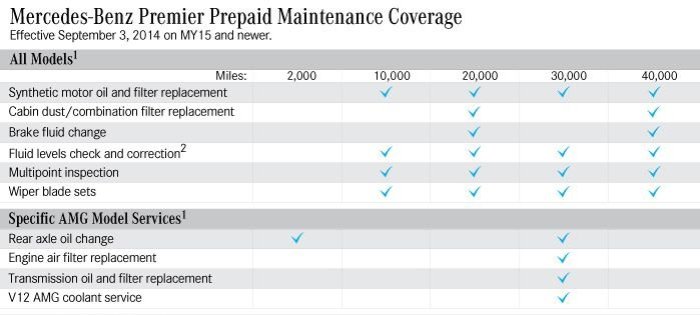
When it comes to maintaining your Mercedes vehicle, regular oil changes are crucial to ensure optimal performance and engine longevity. Mercedes-Benz recommends changing the oil in your vehicle every 10,000 to 12,000 miles or once a year, whichever comes first.Factors that may influence the frequency of oil changes include driving habits, road conditions, and climate.
If you frequently drive in stop-and-go traffic, tow heavy loads, or drive in extreme temperatures, you may need to change your oil more often to protect your engine.
Examples of Different Mercedes Models and Their Specific Oil Change Intervals
- Mercedes C-Class: Oil change recommended every 10,000 miles or once a year.
- Mercedes E-Class: Oil change recommended every 12,000 miles or once a year.
- Mercedes GLE-Class: Oil change recommended every 10,000 miles or once a year.
- Mercedes S-Class: Oil change recommended every 10,000 miles or once a year.
Importance of Regular Oil Changes
Regular oil changes are crucial for the proper functioning and longevity of a Mercedes vehicle. Failing to follow the recommended oil change schedule can lead to various consequences that can negatively impact the performance and overall health of the car.Regular oil changes help to maintain the engine's lubrication, preventing friction between moving parts that can cause wear and tear.
Without proper lubrication, the engine can overheat and suffer damage, leading to costly repairs. Additionally, old and dirty oil can accumulate debris and contaminants that can clog the engine and reduce its efficiency.By sticking to the recommended oil change intervals, Mercedes owners can ensure that their vehicles perform optimally and last longer.
Fresh oil helps to keep the engine clean and properly lubricated, allowing it to run smoothly and efficiently. This, in turn, improves fuel efficiency and reduces the risk of major engine issues down the line.To emphasize the importance of regular oil changes, consider this scenario: Imagine driving your Mercedes without changing the oil for an extended period.
Over time, the oil becomes thick and sludgy, causing the engine to work harder and consume more fuel. Eventually, the lack of proper lubrication leads to engine overheating and potentially catastrophic damage, resulting in expensive repairs or even the need for a complete engine replacement.
Prevention of Engine Damage
Regular oil changes are essential for preventing engine damage in a Mercedes. Fresh oil helps to maintain proper lubrication, reduce friction, and keep the engine clean, ultimately prolonging its lifespan and ensuring optimal performance.
Types of Oil Recommended for Mercedes
When it comes to choosing the right oil for your Mercedes, there are a few options to consider. Mercedes typically recommends using synthetic oil for their vehicles, but conventional oil can also be used. Let's delve into the advantages and disadvantages of each type and explore the specific oil grades and viscosities recommended by Mercedes.
Synthetic Oil
Synthetic oil is a man-made lubricant that offers several benefits for Mercedes vehicles. It provides better protection against engine wear, improved performance in extreme temperatures, and increased fuel efficiency. However, synthetic oil is more expensive than conventional oil.
Conventional Oil
Conventional oil, also known as mineral oil, is derived from crude oil. While it may be a more affordable option, it doesn't offer the same level of protection and performance as synthetic oil. Conventional oil may break down faster, especially in high temperatures, leading to more frequent oil changes.
Specific Oil Grades and Viscosities
Mercedes typically recommends using oil that meets the specifications Artikeld in the owner's manual. Common oil grades for Mercedes vehicles include 0W-20, 5W-30, and 10W-40. The viscosity of the oil determines its thickness and flow characteristics, with lower viscosity oils being better suited for colder temperatures and higher viscosity oils for warmer climates.
DIY vs. Professional Oil Changes
When it comes to changing the oil in your Mercedes, you have the option of doing it yourself or taking it to a professional
Benefits of DIY Oil Changes
- Cost-effective: Doing the oil change yourself can save you money on labor costs.
- Convenience: You can choose when and where to do the oil change, without needing to schedule an appointment.
- Control: You have full control over the type and quality of oil used in your Mercedes.
Drawbacks of DIY Oil Changes
- Time-consuming: Doing the oil change yourself can be time-consuming, especially if you're not experienced.
- Messy: Oil changes can be messy, and improper disposal of used oil can harm the environment.
- Lack of expertise: If you're not familiar with the process, you may make mistakes that could damage your Mercedes.
Professional oil changes:
Benefits of Professional Oil Changes
- Expertise: Professional mechanics have the knowledge and experience to perform the oil change correctly.
- Efficiency: Professionals can complete the oil change quickly and efficiently.
- Warranty maintenance: Keeping records of professional oil changes can help maintain your Mercedes warranty.
Tools and Equipment for DIY and Professional Oil Changes
- For DIY: You will need an oil filter wrench, a drain pan, a funnel, a socket wrench set, and the appropriate oil and oil filter for your Mercedes.
- For Professionals: Professional mechanics have access to specialized tools and equipment, such as a vehicle lift, to make the process quicker and more efficient.
Signs That Your Mercedes Needs an Oil Change
When it comes to maintaining your Mercedes, recognizing the signs that indicate your car needs an oil change is crucial. Ignoring these signs can lead to serious engine issues and costly repairs down the line.To ensure your Mercedes continues to perform at its best, here are some common symptoms that indicate it's time for an oil change:
Checking the Oil Level and Quality
- Regularly check the oil level on the dipstick to ensure it falls within the recommended range. Low oil levels can indicate a leak or excessive oil consumption.
- Inspect the color and consistency of the oil. Fresh oil is typically amber in color and has a smooth texture. If the oil appears dark and gritty, it's time for a change.
Recognizing Potential Oil-related Issues
- Pay attention to any strange noises coming from the engine, such as knocking or ticking sounds. This could indicate inadequate lubrication due to old or dirty oil.
- Keep an eye out for warning lights on the dashboard, such as the oil pressure light. If this light illuminates, it's a clear indication that your Mercedes needs an oil change immediately.
- Notice any decrease in fuel efficiency or performance. Dirty oil can cause your engine to work harder, leading to decreased efficiency and power.
Final Thoughts

In conclusion, understanding the nuances of Mercedes Oil Change and Maintenance Schedule is crucial for ensuring the optimal performance and longevity of your vehicle. By following the recommended intervals and being aware of the signs that indicate your Mercedes needs an oil change, you can keep your luxury car in top condition for years to come.
Clarifying Questions
What is the recommended frequency for oil changes in Mercedes vehicles?
Mercedes typically recommends oil changes every 10,000 to 12,000 miles, but this can vary based on driving habits and environmental conditions. It's best to consult your owner's manual for specific guidelines.
What are the consequences of not following the recommended oil change schedule for a Mercedes?
Failing to follow the recommended oil change schedule can lead to engine wear, reduced performance, and potentially costly repairs in the long run. Regular oil changes are vital for maintaining the health of your Mercedes.
How can I check the oil level and quality in my Mercedes?
To check the oil level, use the dipstick provided in your Mercedes engine bay. Ensure the oil is between the minimum and maximum marks. To assess oil quality, look for signs of contamination or discoloration.