Top Tools Every Fleet Manager Needs in 2025 sets the stage for this enthralling narrative, offering readers a glimpse into a story that is rich in detail and brimming with originality from the outset. In the fast-evolving landscape of fleet management, staying ahead with the right tools is crucial for success.
Let's dive into the essential tools that will shape the future of fleet management in 2025.
Top Tools Every Fleet Manager Needs in 2025
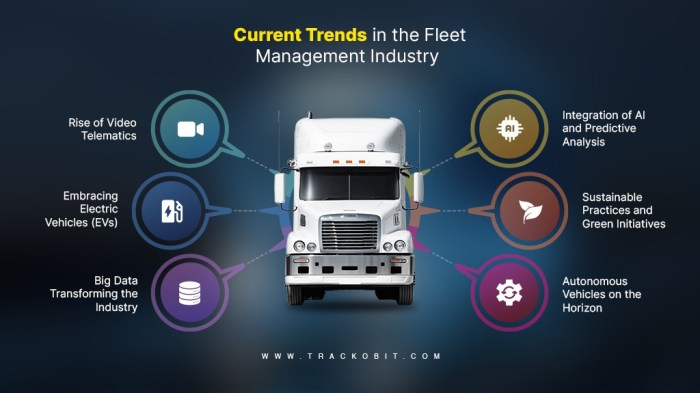
Fleet managers in 2025 are faced with a rapidly evolving landscape that demands cutting-edge tools to effectively manage their operations. Let's explore the essential tools that every fleet manager should have in their arsenal.
Must-Have Fleet Management Software for 2025
In 2025, fleet managers need to invest in advanced fleet management software that offers comprehensive features such as real-time tracking, route optimization, predictive maintenance, and driver behavior monitoring. These software solutions help streamline operations, reduce costs, and improve overall efficiency.
AI-Powered Tools vs. Traditional Fleet Management Systems
AI-powered tools have revolutionized fleet management by leveraging machine learning algorithms to analyze large volumes of data and provide actionable insights. These tools offer predictive analytics, automated decision-making, and proactive maintenance scheduling, surpassing the capabilities of traditional fleet management systems in terms of efficiency and accuracy.
Benefits of Integrating IoT Devices in Fleet Management Tools
Integrating IoT devices in fleet management tools enables real-time monitoring of vehicle performance, fuel consumption, and driver behavior. These devices provide valuable data that can be used to optimize routes, improve fuel efficiency, and enhance overall fleet safety. By leveraging IoT technology, fleet managers can make data-driven decisions to boost productivity and reduce operational costs.
Importance of Real-Time Data Analytics Tools for Efficient Decision-Making
Real-time data analytics tools empower fleet managers to make informed decisions on the fly by providing instant access to critical information such as vehicle locations, driver behavior, and maintenance alerts. These tools enable proactive problem-solving, improved resource allocation, and enhanced operational efficiency, ultimately leading to better outcomes for the fleet as a whole.
Vehicle Tracking and Telematics Solutions
Vehicle tracking and telematics solutions play a crucial role in modern fleet management, providing real-time data and insights to optimize operations and enhance overall efficiency.
GPS Tracking in Modern Fleet Management Tools
GPS tracking allows fleet managers to monitor the location, speed, and status of vehicles in real-time, enabling better route planning, improved asset utilization, and enhanced security.
Advantages of Predictive Maintenance Capabilities in Telematics Solutions
- Early detection of potential issues to prevent breakdowns and costly repairs.
- Optimized maintenance schedules based on actual vehicle usage and performance data.
- Increased vehicle uptime and reliability, leading to improved operational efficiency.
Top Telematics Providers and Key Features
| Telematics Provider | Key Features |
|---|---|
| Verizon Connect | Real-time vehicle tracking, driver behavior monitoring, maintenance scheduling. |
| Geotab | Advanced fleet analytics, fuel management, route optimization. |
| Samsara | Remote diagnostics, safety alerts, compliance management. |
Improving Fuel Efficiency and Driver Safety with Telematics Data
- Monitoring driver behavior to promote fuel-efficient driving habits and reduce fuel consumption.
- Identifying and addressing safety risks through real-time alerts and performance monitoring.
- Optimizing routes and schedules to minimize fuel usage and enhance overall fleet efficiency.
Maintenance Management Systems
Maintaining a fleet of vehicles is a crucial aspect of fleet management to ensure optimal performance and safety on the roads. Advanced maintenance management systems play a key role in streamlining maintenance processes and reducing downtime for fleet vehicles.
Advanced Maintenance Scheduling Tools
- Automated Maintenance Reminders: Tools that automatically generate alerts for upcoming maintenance tasks based on vehicle mileage, usage, or time intervals.
- Predictive Maintenance Analytics: Systems that use data analytics to predict potential maintenance issues before they occur, allowing for proactive maintenance planning.
- Integrated Work Order Management: Platforms that enable fleet managers to create and assign work orders for maintenance tasks, track progress, and manage costs efficiently.
Benefits of Cloud-Based Maintenance Management Systems
- Accessibility: Fleet managers and maintenance teams can access the system from anywhere, facilitating remote management and collaboration.
- Scalability: Cloud-based systems can easily scale to accommodate growing fleets without the need for extensive hardware upgrades.
- Data Security: Cloud providers offer robust security measures to protect maintenance data from unauthorized access or loss.
In-house Maintenance Software vs. Outsourced Solutions
- In-house Maintenance Software:
- Customization: Tailored to specific fleet requirements and preferences.
- Control: Direct oversight and management of maintenance processes.
- Cost: Upfront investment and ongoing maintenance costs.
- Outsourced Solutions:
- Expertise: Access to specialized maintenance management providers with industry knowledge.
- Cost-effectiveness: Outsourced solutions may offer savings compared to in-house development and maintenance.
- Integration: Seamless integration with third-party systems and technologies.
Integrating Maintenance Systems with Inventory Management Tools
- Real-time Inventory Updates: Linking maintenance systems with inventory management tools ensures accurate tracking of spare parts and supplies.
- Preventive Parts Management: Automated alerts for low inventory levels or upcoming part replacements based on maintenance schedules.
- Cost Control: Better coordination between maintenance and inventory management helps optimize stocking levels and reduce unnecessary expenses.
Driver Performance Monitoring Tools
Driver behavior monitoring is crucial in fleet management as it allows fleet managers to ensure the safety of their drivers, vehicles, and cargo. By tracking and analyzing driver performance data, fleet managers can identify areas for improvement, reduce risks of accidents, and optimize operational efficiency.
Importance of Driver Performance Monitoring
- Driver behavior monitoring helps in promoting safe driving habits among employees, leading to fewer accidents and lower insurance costs.
- It enables fleet managers to identify high-risk drivers who may need additional training or coaching to improve their performance.
- By analyzing driver data, fleet managers can optimize routes, reduce fuel consumption, and increase overall productivity.
AI-Powered Analysis of Driver Performance
- AI-powered tools can analyze driver performance data in real-time, providing insights into speeding, harsh braking, idling time, and other key metrics.
- These tools can generate reports and alerts based on predefined thresholds, allowing fleet managers to take immediate action to address any issues.
- By leveraging AI technology, fleet managers can predict potential risks and proactively implement preventive measures to ensure safer driving practices.
Key Performance Indicators (KPIs) for Driver Efficiency
- Percentage of time spent speeding
- Number of harsh braking incidents
- Total idling time
- Distance traveled per gallon of fuel
- Overall driver score based on multiple factors
Case Studies on Impact of Driver Performance Tools
- In a case study conducted by a transportation company, the implementation of driver performance monitoring tools led to a 15% reduction in fuel consumption and a 20% decrease in accident rates.
- Another case study showed that driver coaching based on performance data resulted in a 10% increase in on-time deliveries and a 25% decrease in maintenance costs.
- Overall, driver performance monitoring tools have been proven to significantly improve operational efficiency, reduce costs, and enhance overall safety within fleets.
Last Word
As we conclude our exploration of the top tools every fleet manager needs in 2025, it becomes evident that embracing innovation and leveraging technology are paramount for efficient fleet operations. By incorporating these tools, managers can streamline processes, enhance decision-making, and ultimately drive success in the ever-changing world of fleet management.
Query Resolution
What are the key benefits of integrating IoT devices in fleet management tools?
Integrating IoT devices in fleet management tools can provide real-time insights into vehicle performance, enhance maintenance scheduling, improve fuel efficiency, and boost overall operational efficiency.
How do AI-powered tools differ from traditional fleet management systems?
AI-powered tools offer advanced analytics capabilities, predictive maintenance features, and the ability to optimize routes and driver behavior, while traditional systems may lack these cutting-edge functionalities.
Why is real-time data analytics crucial for efficient decision-making in fleet management?
Real-time data analytics enable fleet managers to make informed decisions quickly, optimize operations, identify trends, and respond promptly to issues, leading to increased productivity and cost savings.